Predicted a 6. Heading for a 4.
Predicted grades are set once and pupils keep moving. Nobody can watch thousands of them by hand. Reports help, and tests between reports show the slip much earlier.
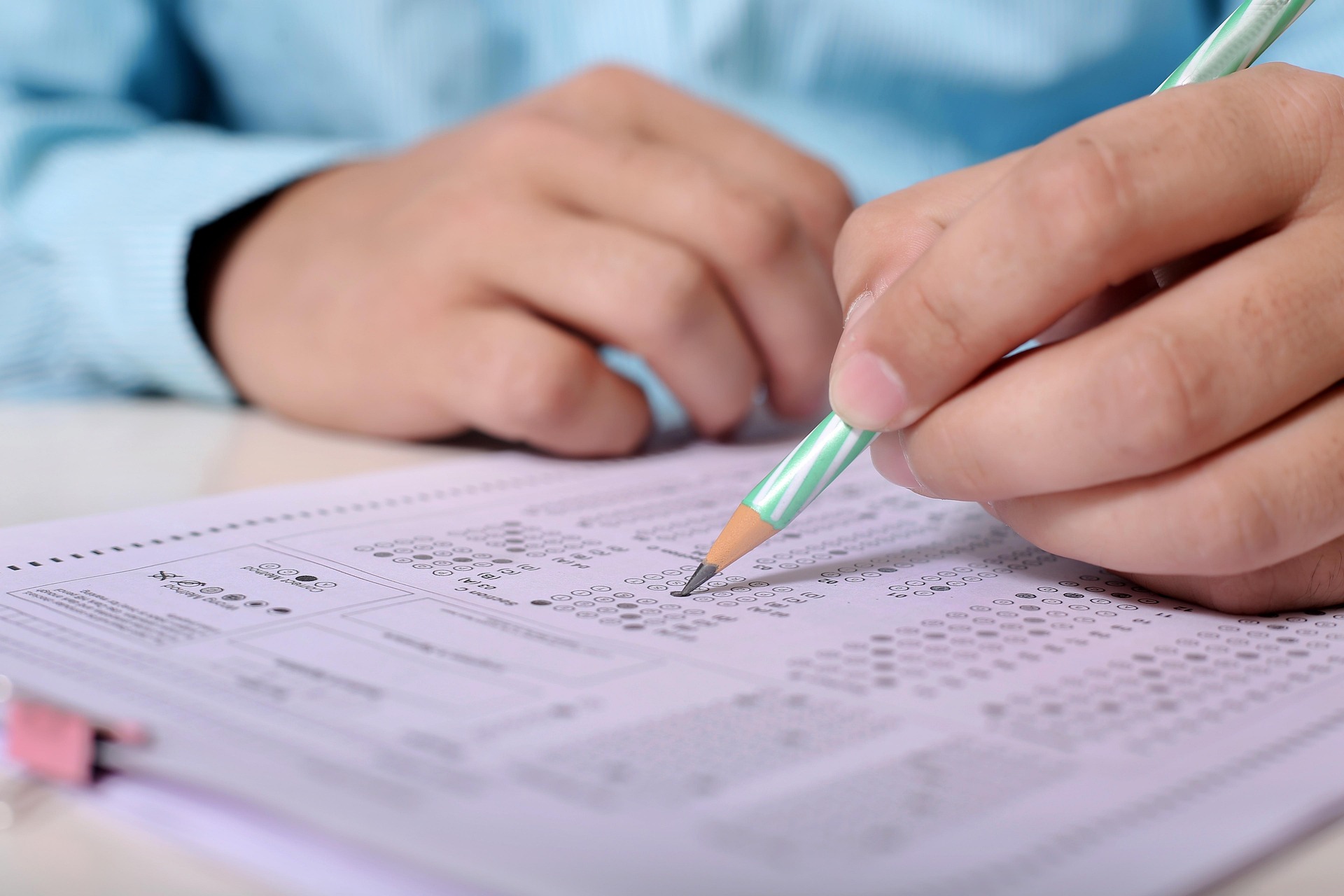
A pupil is predicted a 6 in Science in the autumn. Her February report says she’s still on track. Meanwhile, her tests in November, January and March have placed her among the pupils heading for a 4.
Nobody has missed anything on purpose. The evidence was there, spread across three markbooks and a report. By the time it comes together, at the mocks or the summer report, there’s far less time to do something about it.
Too many pupils to watch by hand
Think about how many predicted grades a school is really asking its staff to keep an eye on.
- A subject teacher with eight or nine classes may teach more than two hundred pupils.
- A form tutor has thirty pupils, each taking ten or more subjects. That’s over three hundred predicted grades.
- A year leader with two hundred pupils is looking at two thousand, and every one can move at each report.
Nobody can hold that in their head. A spreadsheet with coloured cells helps for a week. The pupil who slips in one subject, while looking fine everywhere else, is easy to miss. So is the quiet pupil doing much better than anyone expected.
Predicting is hard anyway
None of this is a criticism of teachers. A predicted grade is a judgement made at one point in time, and pupils keep changing after it’s made.
Researchers at UCL looked at university applicants’ predicted A-level grades. Only 16% were predicted correctly across their best three A-levels; 75% were over-predicted and 8% under-predicted. High-achieving pupils at comprehensive schools were more likely to be under-predicted than similar pupils at grammar and private schools.
So a prediction is a starting point, not a forecast to leave alone. The question is how quickly a school can see that a pupil has moved away from it, in either direction.
Reports are good. Tests fill the gaps between them.
Report grades are the backbone of this. They’re the teacher’s considered view, and EarlySight follows them closely: each pupil’s position in each subject, report by report, and where their predicted or on-track grade sits against their target.
But reports come two or three times a year, and a pupil can sit on the same grade for months while sliding within it.
Tests fill the gaps:
- They’re more frequent. A department may set several tests between reports.
- Everyone sits the same paper, so pupils can be placed against each other fairly.
- They’re a mark, not a judgement. They give an independent second view beside the teacher’s.
EarlySight doesn’t need grade boundaries to use a test. It ranks each pupil among those who sat the paper. Where classes sat different papers, each class is ranked on its own, and you can link the classes that sat the same one. Boundaries can be added later if you want grades too.
What EarlySight does with it
Tests against the predicted grade. In each subject and year group, the grades teachers gave (predicted, else on-track, else the latest report) mark out where each grade sits in the year group. A pupil’s average position over their last three tests then says which grade their tests point to.
When that’s far enough from their predicted grade, by however many grades the school sets, the pupil is flagged in plain words: “Science: tests suggest 4, predicted 6.” It works in both directions.
A falling test position. A pupil’s place on each test is compared with their last test in the same subject. They’re flagged when it moves far enough on two measures the school sets, so a pupil sitting on a boundary isn’t flagged for a small wobble.
Falling report grades and effort. Drops in a pupil’s position across reports, and in effort, come with the evidence.
For senior leaders, subject by subject.
- Subjects: a subject is flagged when more than a set share of the year group are out of line with their tests, split by FSM and SEND.
- Classes that sat the same paper: where a class’s teacher grades sit, on average, above or below what its tests suggest, the class is flagged. That’s a useful conversation about grading, not a verdict on a teacher.
Form tutors and year leaders see their own pupils’ flags on their lists, each with its reason.
The good news, too
Pupils whose tests place them above their teacher’s grade appear on the “Going well” list, beside “Needs attention”. After the UCL findings, that matters: an under-predicted pupil deserves to hear it, and perhaps to have their prediction raised before it shapes their next step.
More data, earlier flags
The more a school gathers, the sharper the picture:
- One report gives one point.
- Three reports and six tests give a line.
- KS2 results, joined to the same line, show where each pupil started.
Every test adds a little evidence, and the flag comes sooner.
Earlier is the point. A flag in November leaves two terms to act. A flag after the mocks leaves a few weeks.
What you need
- Report grades, with the predicted (or on-track) grades your staff already give.
- Test marks: subject, test name, date, mark and out of. They can come from your MIS, or from department markbooks saved as a spreadsheet.
Nothing new for staff to record. Just the marks they already have, brought together where someone can see them.
Source: Predicting A-level grades accurately ‘near-impossible task’, UCL News, 11 August 2020, reporting Gill Wyness’s earlier study of university applicants’ predicted grades.